What Students Learn Without Being Taught
When we think about education, we often picture textbooks, lesson plans, examinations, and report cards. Progress is measured through marks. Achievement is defined through academic performance. But beyond the visible syllabus, another curriculum quietly shapes every child who walks into a classroom. It is the Silent Curriculum. This curriculum does not appear in textbooks. It is not printed in planners. It is not assessed in examinations. Yet, it influences students more deeply than any chapter ever could.
Learning Empathy Without a Lesson Plan
A child comforts a classmate who feels upset. A student shares lunch with someone who forgets theirs. A group includes a quiet child in their activity. No teacher announces, “Today we learn empathy.” Yet students absorb kindness by observing and experiencing it daily. Schools become spaces where compassion grows naturally.
Learning Responsibility Without a Chapter
When students clean their classroom after an activity,
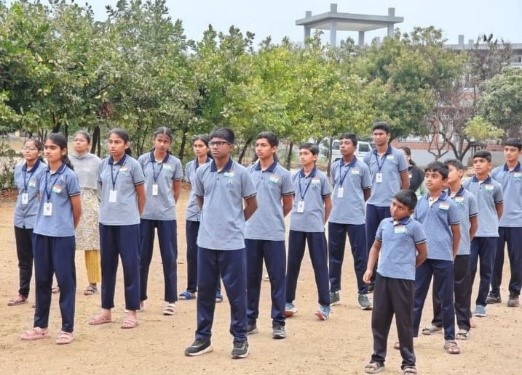
When they prepare for an assembly,
When they lead a group discussion,
They are not just completing tasks. They are developing ownership.
They begin to understand that actions carry consequences and that responsibility builds trust.
Learning Confidence Through Opportunity
The first time a child steps onto a stage, hands may tremble and voices may shake. But the moment they speak, perform, or present, something shifts. Confidence does not come from theory. It grows from experience. Every school activity—debates, skits, sports, exhibitions—quietly strengthens self-belief.
Learning Respect Through Culture
Students observe how teachers treat them.
They notice how differences are handled.
They experience fairness, discipline, and dialogue.
From this environment, they learn how to treat others in society.
Respect becomes a habit, not merely a rule.
Learning Democracy Without Realizing It
When students vote for school leaders, express opinions, follow rules, and resolve conflicts through discussion, they practice democratic values. Rights and responsibilities become lived experiences, not just textbook definitions.
The Invisible Lessons That Shape the Future
The Silent Curriculum teaches:
- Patience
- Cooperation
- Leadership
- Integrity
- Resilience
- Time management
- Emotional strength
These lessons prepare students not only for examinations but for life. A mark sheet shows academic progress. Character formation reveals the true purpose of education.
Where the Silent Curriculum Comes Alive?
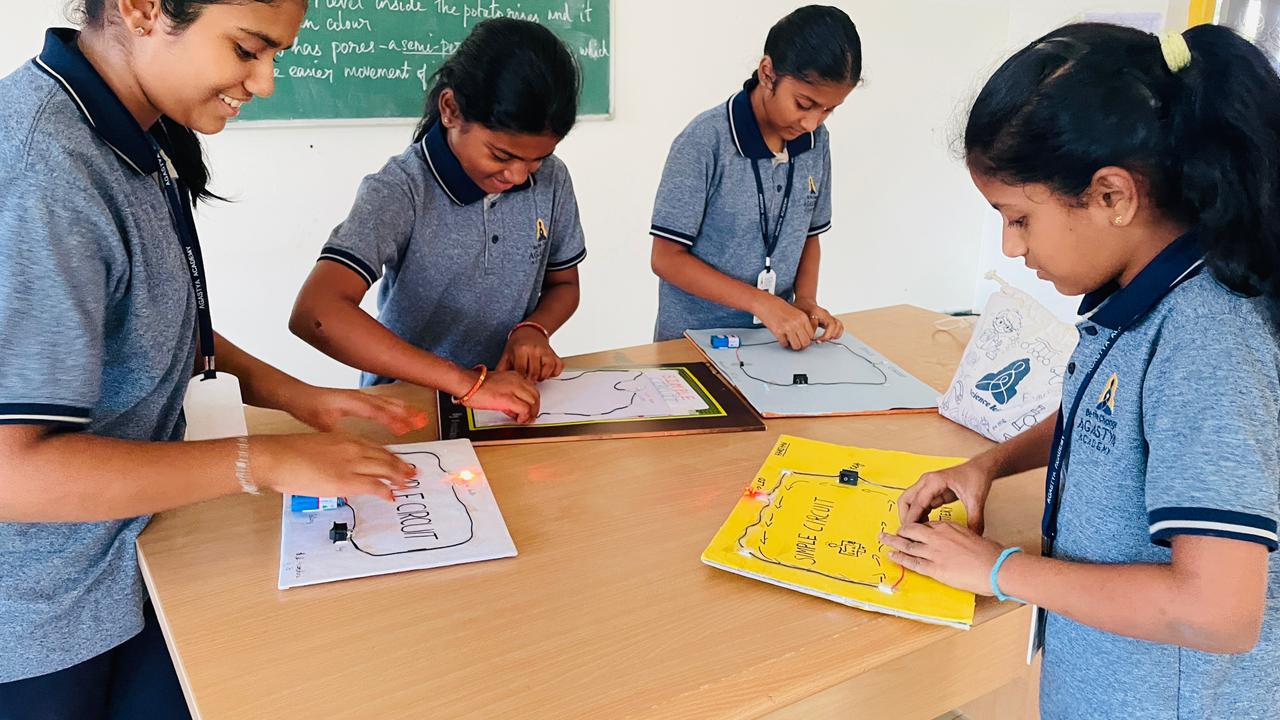
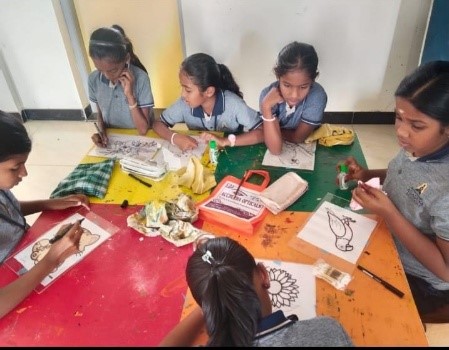
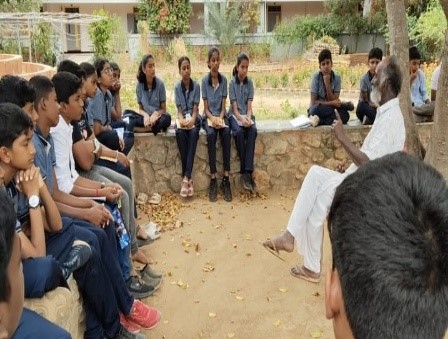
At Agastya Academy, education is not limited to textbooks and examinations. Every corridor, every classroom, every stage, and every interaction becomes a space where values take root and character grows.
Students learn to think, to question, to lead, to care, and to stand with confidence. They experience empathy through community, responsibility through action, and leadership through opportunity. Academic excellence walks hand in hand with moral strength and social awareness.
As a facilitator at Agastya Academy, I experience this silent transformation every single day. I witness students supporting one another, taking initiative, overcoming stage fear, and gradually discovering their own strengths. These moments may not appear in report cards, yet they reflect the most meaningful progress of all.
Agastya Academy nurtures not only bright minds but also compassionate hearts and responsible citizens.
The Silent Curriculum thrives here, shaping individuals who are prepared not just for careers, but for life. Because “True education is not only about what is taught, it is about what is experienced, observed, and lived every single day”.